Sacraments
The Sacramental Life of the Church
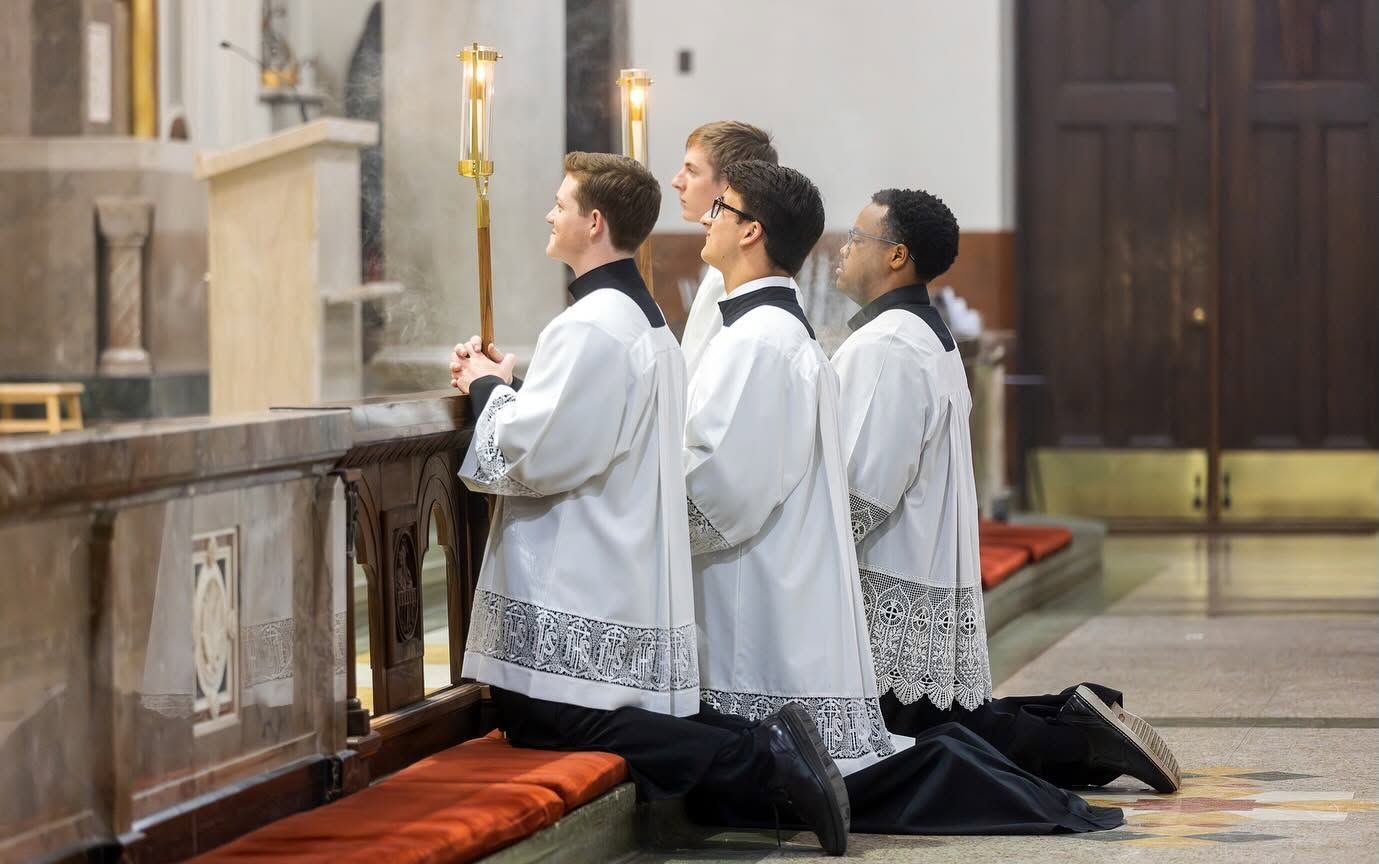
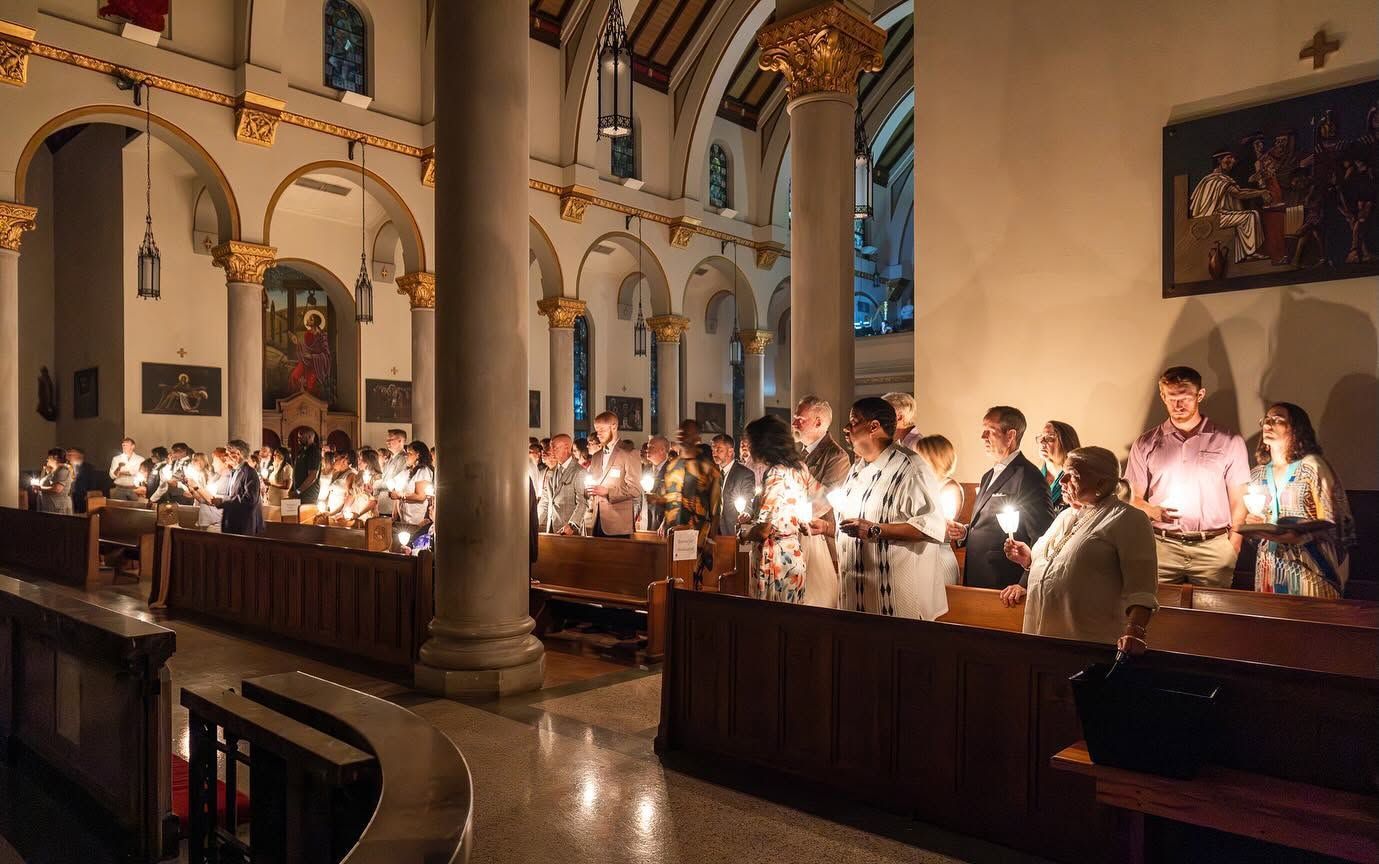
We recognize that the Sacraments have a visible and invisible reality, a reality open to all the human senses but grasped in its God-given depths with the eyes of faith. When parents hug their children, for example, the visible reality we see is the hug. The invisible reality the hug conveys is love. We cannot "see" the love the hug expresses, though sometimes we can see its nurturing effect in the child.
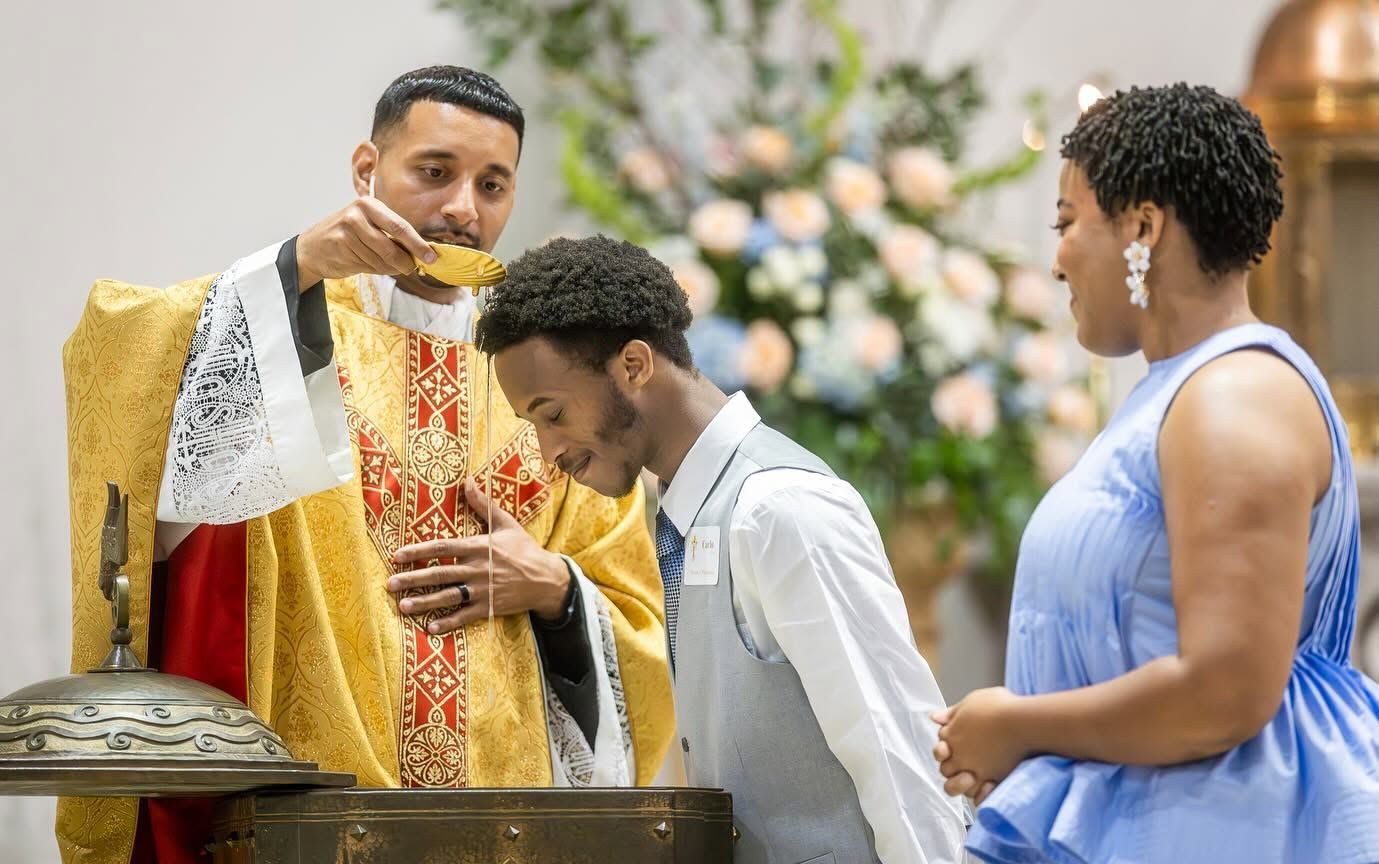
The visible reality we see in the Sacraments is their outward expression, the form they take, and the way in which they are administered and received. The invisible reality we cannot "see" is God's grace, his gracious initiative in redeeming us through the death and Resurrection of his Son. His initiative is called grace because it is the free and loving gift by which he offers people a share in his life, and shows us his favor and will for our salvation. Our response to the grace of God's initiative is itself a grace or gift from God by which we can imitate Christ in our daily lives.
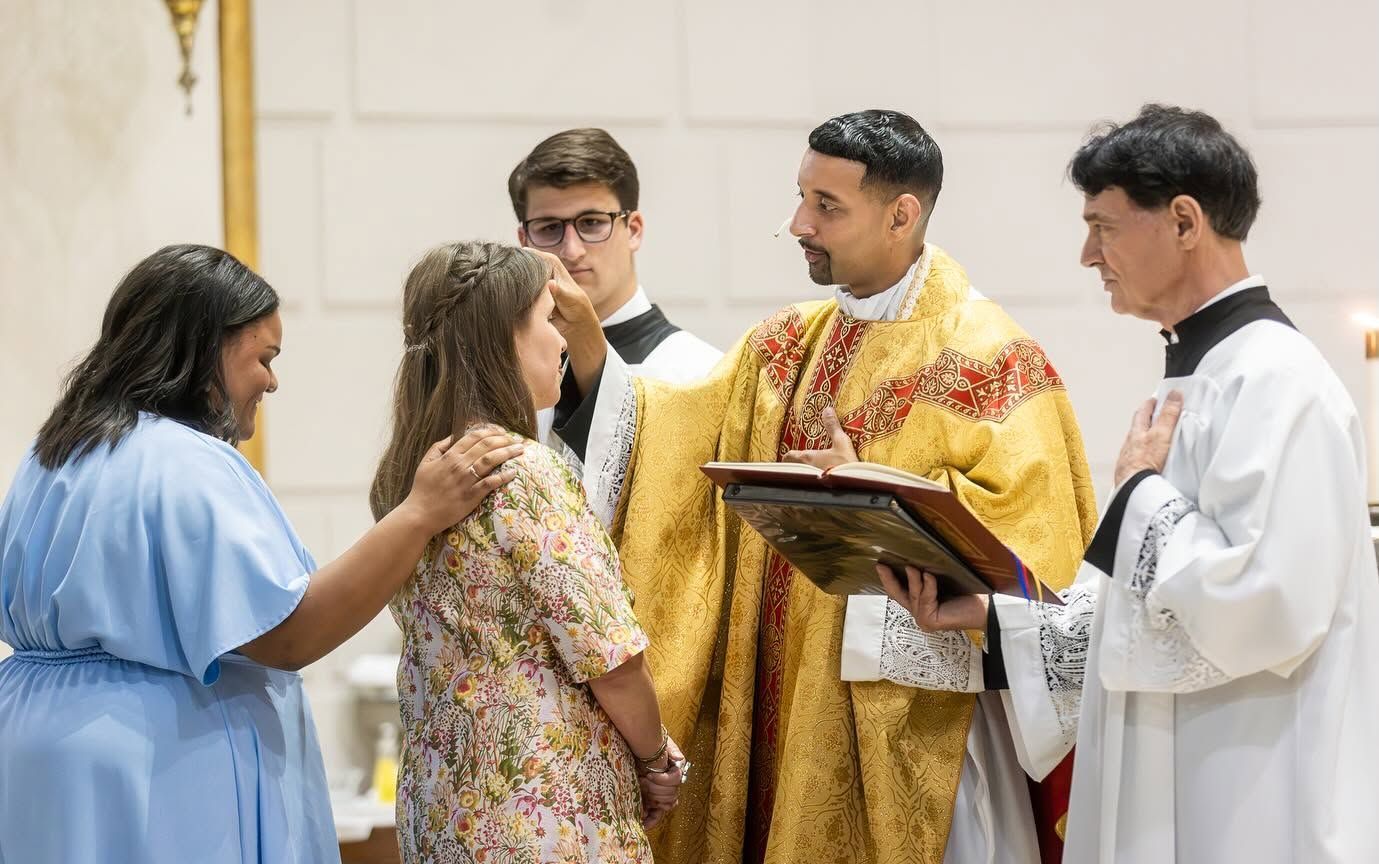
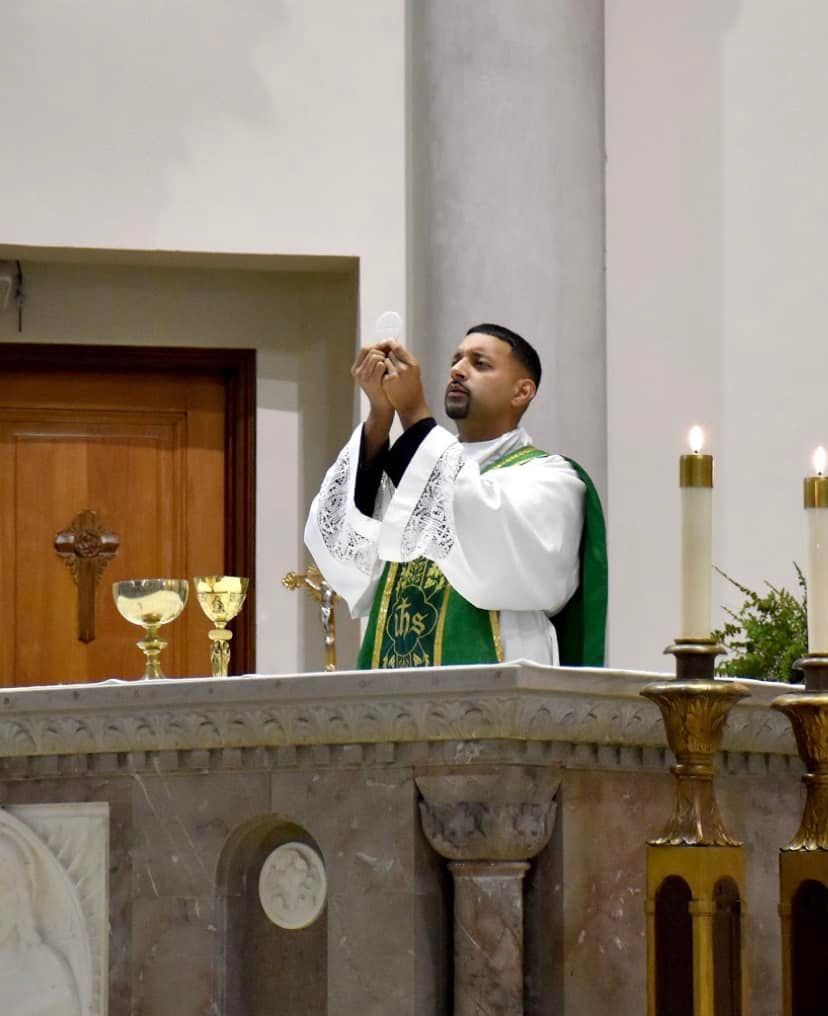
The saving words and deeds of Jesus Christ are the foundation of what he would communicate in the Sacraments through the ministers of the Church. Guided by the Holy Spirit, the Church recognizes the existence of Seven Sacraments instituted by the Lord. They are the Sacraments of Initiation (Baptism, Confirmation, the Eucharist), the Sacraments of Healing (Penance and the Anointing of the Sick), and the Sacraments at the Service of Communion (Marriage and Holy Orders). Through the Sacraments, God shares his holiness with us so that we, in turn, can make the world holier.
(SOURCE: USCCB)
THE SACRAMENTAL ECONOMY
The Church was made manifest to the world on the day of Pentecost by the outpouring of the Holy Spirit. The gift of the Spirit ushers in a new era in the "dispensation of the mystery" the age of the Church, during which Christ manifests, makes present, and communicates his work of salvation through the liturgy of his Church, "until he comes." In this age of the Church Christ now lives and acts in and with his Church, in a new way appropriate to this new age. He acts through the sacraments in what the common Tradition of the East and the West calls "the sacramental economy"; this is the communication (or "dispensation") of the fruits of Christ's Paschal mystery in the celebration of the Church's "sacramental" liturgy. It is therefore important first to explain this "sacramental dispensation". the nature and essential features of liturgical celebration will then appear more clearly
(Catechism of the Catholic Church 1076)